
Abstract:
Keratoconus is a progressive, multifactorial corneal ectatic disorder characterized by stromal thinning, biomechanical weakening and irregular protrusion leading to visual impairment. Its prevalence has increased significantly due to advances in corneal imaging and screening technologies. Its pathogenesis involves a complex interplay of genetic predisposition, environmental triggers, inflammatory mediators, oxidative stress and dysregulation of extracellular matrix remodeling.
The introduction of corneal collagen cross-linking revolutionized management by halting disease progression through photochemical strengthening of stromal collagen. Recent innovations aim to enhance efficacy, have expand eligibility, improved safety profiles and visual results (accelerated, customized, thin-cornea-adapted protocol, combined approaches).
Beyond biomechanics, the therapeutic landscape is evolving toward regenerative strategies including stromal keratophakia, bioengineered corneal implants, stem cell therapy and gene-based approaches. Intracorneal ring segments and advanced keratoplasty techniques remain options for more advanced disease.
Artificial intelligence (AI) now represents the next frontier. Machine learning and deep learning algorithms enable automated detection of early and subclinical keratoconus, multimodal data integration and prediction of disease progression and treatment outcomes. However, current limitations including data heterogeneity, lack of external validation and regulatory challenges highlight the need for standardized, multicenter datasets and rigorous methodological frameworks.
keratoconus management is transitioning from reactive stabilization to precision medicine. The integration of biomechanics, advanced imaging, regenerative science and artificial intelligence promises a future of earlier diagnosis, individualized intervention and improved long-term visual outcomes.
Biography:
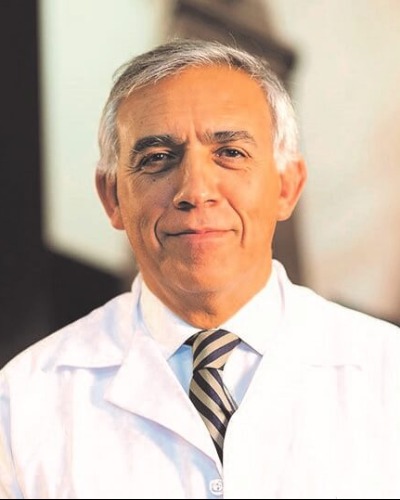
Full Professor of Ophthalmology at the Faculty of Medicine, University of Coimbra (FMUC); Dean of FMUC (2012–2015); Member of the General Council, University of Coimbra (2016–2020); Former Chairman of the Department of Ophthalmology at the University Hospital Coimbra (CHUC); President of Sociedade Portuguesa de Oftalmologia (1997–1998); Member of the InnoStars Supervisory Board – EIT Health (2015–2019) and President (2016–2017); Member of the Research Committee of the European Society of Cataract and Refractive Surgeons (ESCRS); Portuguese Representative of the International Society of Refractive Surgery of the American Academy of Ophthalmology; Member of the European Academy of Ophthalmology, Academia de Ciências de Lisboa, and Academia Ophthalmologica Internationalis; Recipient of the Grande Oficial da Ordem do Mérito; and recipient of the Achievement Award of the American Academy of Ophthalmology.
Copyright 2024 Mathews International LLC All Rights Reserved
